

he
पहले बताए या जाने हुए पुरुष, लड़के या नर जानवर के लिए प्रयोगيُستعمل لرجل أو صبي أو حيوان ذكر سبق ذكره أو معروف؛ هوs'emploie pour un homme, un garçon ou un animal mâle déjà mentionné ou connudipakai untuk laki-laki, anak laki-laki, atau hewan jantan yang sudah disebut atau dikenal指前面提到或已知的男人、男孩或雄性动物;他
used for a man, boy or male animal already mentioned or known
We use 'he' as the subject of a sentence instead of repeating a male person's name. For a woman or girl we use 'she'.
- This is my cousin Arjun. He lives in Chennai.यह मेरा चचेरा भाई अर्जुन है। वह चेन्नई में रहता है।هذا ابن عمي أرجون. هو يعيش في تشيناي.Voici mon cousin Arjun. Il habite à Chennai.Ini sepupu saya, Arjun. Dia tinggal di Chennai.这是我的堂兄阿琼。他住在金奈。
Great! You learned he.
Ready to learn another word?
Related words
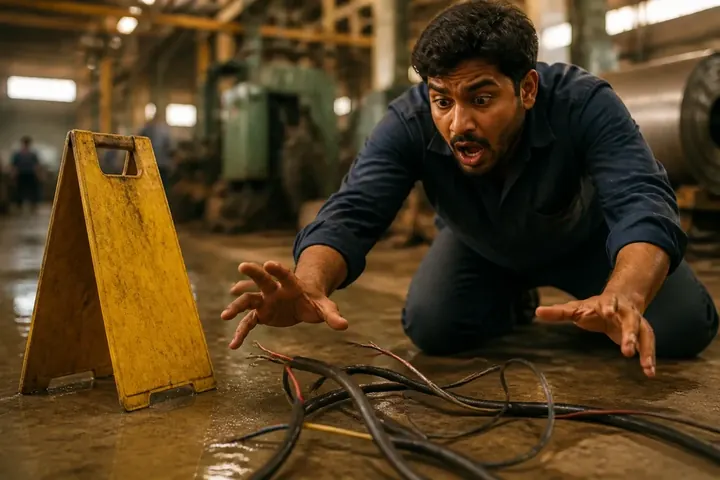 hazardनुकसान का ख़तरा या जोखिमخطر أو مصدر ضرر محتملun danger ou un risque de…bahaya atau risiko kerugian造成伤害的危险或风险
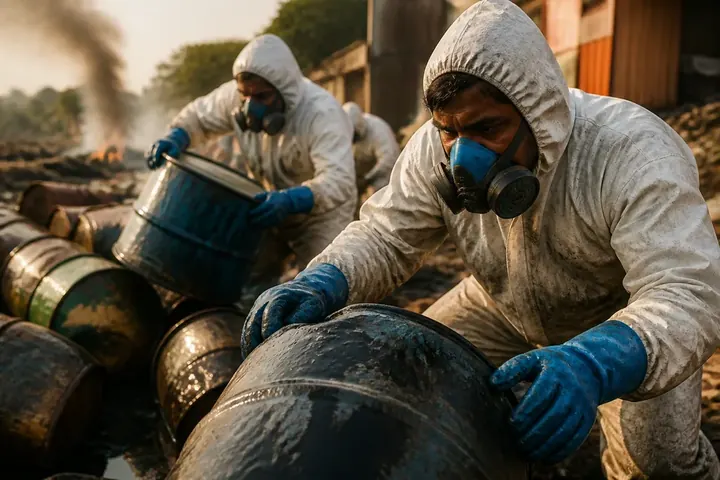 hazardousख़तरनाक, ख़ासकर गंभीर…خطير، خصوصًا مع احتمال ضرر…dangereux, surtout avec un…berbahaya, terutama…危险的,尤指有严重伤害或事故的风险;危险的
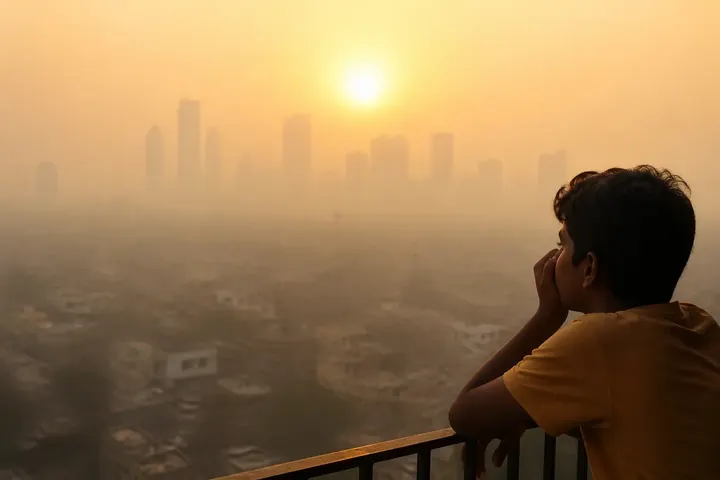 hazyसाफ़ नहीं, चाहे आसमान में…غير واضح، سواء في السماء أو…peu clair, que ce soit dans…tidak jelas, baik di langit…不清晰的,无论是天空还是某人的记忆或思路
 headचेहरे, आँखों, मुँह और…الجزء العلوي من الجسم الذي…la partie haute du corps…bagian atas tubuh dengan…身体上部,有脸、眼睛、嘴和大脑;也指领导;头,负责人
 headacheसिर में दर्द, या कोई परेशान…ألم في الرأس، أو مشكلة…une douleur à la tête, ou…sakit di kepala, atau…头部疼痛,或令人烦恼的问题;头痛
 headlineसमाचार की सुर्खी, बड़े…عنوان الخبر، مطبوع بأحرف…le titre d'un article de…judul berita, dicetak…新闻的标题,用大字印刷
💡 Did you know?
'He' is the subject form; after verbs and prepositions we use 'him', as in 'I met him'.
Memory trick
HE is HEre: say 'he' for the boy standing right here.
More examples
- The chief minister said he would visit the flood-hit villages on Monday.मुख्यमंत्री ने कहा कि वह सोमवार को बाढ़ प्रभावित गाँवों का दौरा करेंगे।قال رئيس وزراء الولاية إنه سيزور القرى المتضررة من الفيضانات يوم الاثنين.Le ministre en chef a dit qu'il visiterait lundi les villages touchés par les inondations.Kepala menteri negara bagian mengatakan dia akan mengunjungi desa-desa yang terdampak banjir pada hari Senin.首席部长说,他将于周一视察受洪灾的村庄。
Synonyms & antonyms
Word origin
From Middle English he, from Old English hē, from Proto-West Germanic *hiʀ, from Proto-Germanic *hiz ('this, this one'), from Proto-Indo-European *ḱís ('this').
Meaning in other languages
पहले बताए या जाने हुए पुरुष, लड़के या नर जानवर के लिए प्रयोग; वह
किसी पुरुष का नाम बार-बार दोहराने के बजाय वाक्य के कर्ता के रूप में 'he' का प्रयोग करते हैं। महिला या लड़की के लिए 'she' का प्रयोग होता है।
💡 HE is HEre: यहीं खड़े लड़के के लिए 'he' कहो।
يُستعمل لرجل أو صبي أو حيوان ذكر سبق ذكره أو معروف؛ هو
نستعمل 'he' فاعلًا في الجملة بدلًا من تكرار اسم الرجل. أما للمرأة أو الفتاة فنستعمل 'she'.
💡 HE is HEre: قل 'he' للصبي الواقف هنا.
s'emploie pour un homme, un garçon ou un animal mâle déjà mentionné ou connu ; il
On emploie « he » comme sujet de la phrase au lieu de répéter le nom d'un homme. Pour une femme ou une fille, on dit « she ».
💡 HE is HEre : dis « he » pour le garçon qui est juste ici.
dipakai untuk laki-laki, anak laki-laki, atau hewan jantan yang sudah disebut atau dikenal; dia
Kita memakai 'he' sebagai subjek kalimat agar tidak mengulang nama seorang laki-laki. Untuk perempuan kita memakai 'she'.
💡 HE is HEre: katakan 'he' untuk anak laki-laki yang berdiri di sini.
指前面提到或已知的男人、男孩或雄性动物;他
he 用作句子的主语,代替重复男性的名字。指女性或女孩时用 she。
💡 HE is HEre:说的是站在这里(here)的那个男孩。
| Hindi · हिन्दी | पहले बताए या जाने हुए पुरुष, लड़के या नर जानवर के लिए प्रयोग; वह |
| Arabic · العربية | يُستعمل لرجل أو صبي أو حيوان ذكر سبق ذكره أو معروف؛ هو |
| French · Français | s'emploie pour un homme, un garçon ou un animal mâle déjà mentionné ou connu ; il |
| Indonesian · Bahasa Indonesia | dipakai untuk laki-laki, anak laki-laki, atau hewan jantan yang sudah disebut atau dikenal; dia |
| Chinese · 中文 | 指前面提到或已知的男人、男孩或雄性动物;他 |
Quick check
What does “he” mean?
Love learning with WordVizo? Our mobile app is coming soon!
More words to learn
a danger or risk of harm
नुकसान का ख़तरा या जोखिमخطر أو مصدر ضرر محتملun danger ou un risque de dommagebahaya atau risiko kerugian造成伤害的危险或风险
dangerous, especially risking serious harm or accident
ख़तरनाक, ख़ासकर गंभीर नुकसान या दुर्घटना का जोखिम रखने वालाخطير، خصوصًا مع احتمال ضرر جسيم أو حادث؛ خطرdangereux, surtout avec un risque de dommage grave ou…berbahaya, terutama berisiko cedera atau kecelakaan serius危险的,尤指有严重伤害或事故的风险;危险的
not clear, either in the sky or in someone's memory or thinking
साफ़ नहीं, चाहे आसमान में हो या किसी की याद या सोच मेंغير واضح، سواء في السماء أو في ذاكرة الشخص أو تفكيره؛ ضبابيpeu clair, que ce soit dans le ciel ou dans la mémoire ou…tidak jelas, baik di langit maupun dalam ingatan atau…不清晰的,无论是天空还是某人的记忆或思路
the top part of the body with the face, eyes, mouth and brain; also a
चेहरे, आँखों, मुँह और दिमाग़ वाला शरीर का ऊपरी हिस्साالجزء العلوي من الجسم الذي فيه الوجه والعينان والفم…la partie haute du corps avec le visage, les yeux, la…bagian atas tubuh dengan wajah, mata, mulut, dan otak身体上部,有脸、眼睛、嘴和大脑;也指领导;头,负责人
pain in the head, or an annoying problem
सिर में दर्द, या कोई परेशान करने वाली समस्याألم في الرأس، أو مشكلة مزعجة؛ صداعune douleur à la tête, ou un problème agaçantsakit di kepala, atau masalah yang mengganggu头部疼痛,或令人烦恼的问题;头痛
the title of a news story, printed in large letters
समाचार की सुर्खी, बड़े अक्षरों में छपा शीर्षकعنوان الخبر، مطبوع بأحرف كبيرةle titre d'un article de presse, imprimé en gros caractèresjudul berita, dicetak dengan huruf besar新闻的标题,用大字印刷